ASSI
-
Understanding APDU: How Terminals Talk to Smart Cards
.
When I first worked on a smart card integration project years ago, I came across logs filed with hexadecimal codes. My instinct was to skim through them but as I would soon learn, those hex values were the hearth of the transaction. They were APDUs the way the terminal and the smart card talk. One…
-

TLV Demystified: How EMV Cards Store and Share Data
.
When I first started working on EMV integration in one of our terminal projects, I was overwhelmed by how much technical jargon was thrown around. One of the most confusing things I came across early on was something called “TLV” I still remember opening a packet capture for a failed transaction and seeing a sea…
-

The 4 EMV Books Explained: A Beginner’s Guide
.
Hello again! If you’ve been following my blog, you might remember my previous project about ISO 8583, where we decoded message formats like HEX, ASCII, and Binary. That deep dive into payment protocols was a big part of my journey working with payment terminals and transaction systems. Now, I want to share with you something…
-

EMV Made Simple: What It Is and Why It Matters
.
This post is the starting point of a full-blown series consisting of around 45 blog posts that will explore the entire EMV payment ecosystem from the fundamentals to advanced cryptographic operations, issuer scripts, and even certification. If you’ve been meaning to truly understand EMV, you’re in the right place. This is not a one-off explainer…
-

Understanding Data Types in ISO 8583
.
Back when I was working on a host emulator project for issuer and acquirer simulations, one of the tricky areas I faced early on was understanding how the data elements in ISO 8583 are formatted. It wasn’t just about packing and unpacking the messages, the real challenge was knowing how to interpret the field types…
-

Decoding ISO 8583: Understanding HEX, Decimal, Binary, and ASCII Formats
.
Hello everyone! In this post, I want to share something that recently became a big part of one of my projects, decoding and understanding different encoding formats used in ISO 8583 messages. If you have worked with payment switching, host simulations, or POS terminal development, you know how important it is to be comfortable with…
-
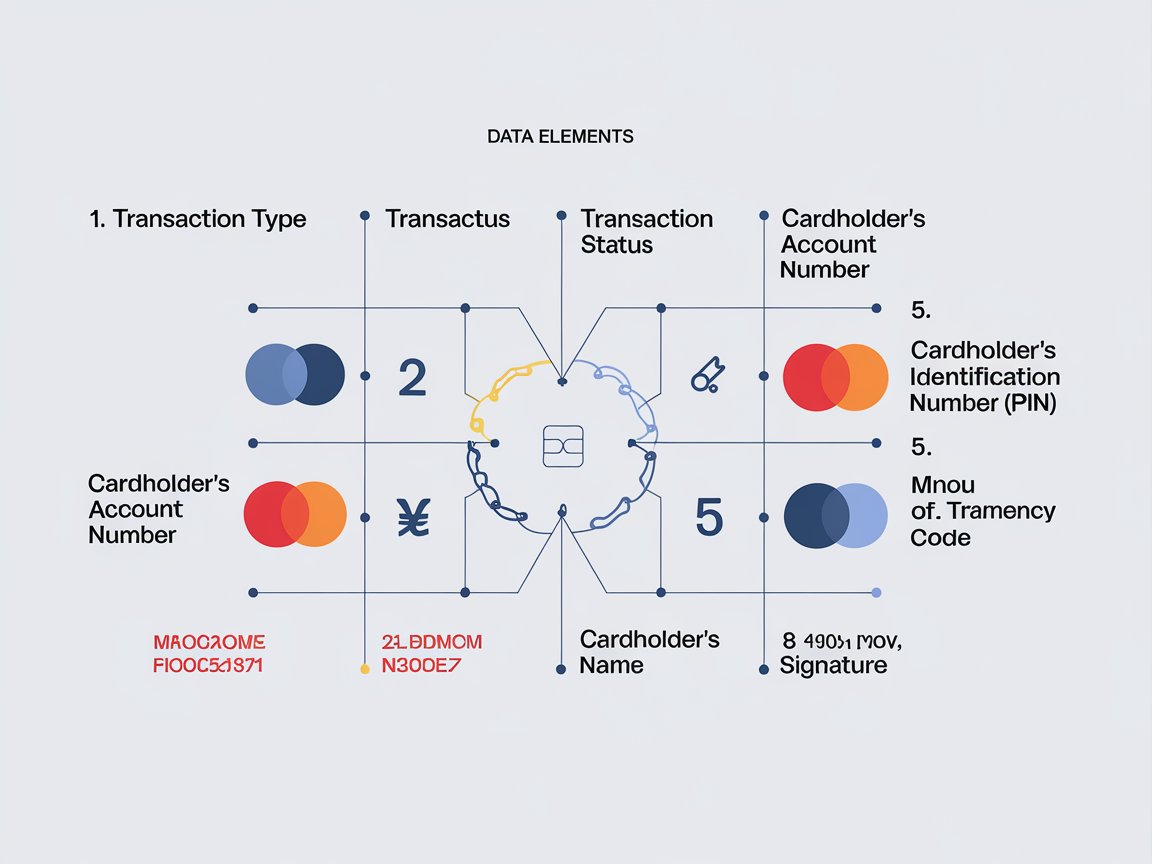
Breaking Down ISO 8583 Data Elements
.
In my previous blog post, I already discussed a high-level overview of ISO 8583 Data Elements. If you haven’t read it yet, I highly recommend checking it out first, as this current post will build on some of those concepts without going into the same level of detail—to keep this article focused and concise. Understanding…
-

High-Risk Merchants and Rolling Reserves: Everything You Need to Know
.
If you’ve been navigating the world of payment processing, you’ve probably heard the terms “high-risk merchant” and “rolling reserves” thrown around a lot. It can be a bit overwhelming to figure out what these mean and how they affect your business. Don’t worry, I’ve been there too, and I’m here to break it down for…
-
Understanding Chargebacks in the Payment Industry: A Complete Guide for Merchants
.
If you’re in the payment industry or running a business that processes credit card payments, you’ve probably encountered chargebacks. They can feel like a nightmare lost revenue, processing fees, and the frustrating feeling of dealing with something out of your control. Having spent a good chunk of my career in payment systems, I’ve faced my…
-

ISO 8583: Message Structure
.
If you’ve ever worked on a payment switch, POS terminal integration, or bank-to-bank transaction processing, you’ve probably encountered the mysterious and often misunderstood beast known as ISO 8583. When I first touched it in one of our payment switch projects, I remember being confused by TPDU headers, LLVAR fields, and different message formats. It felt…