ASSI
-
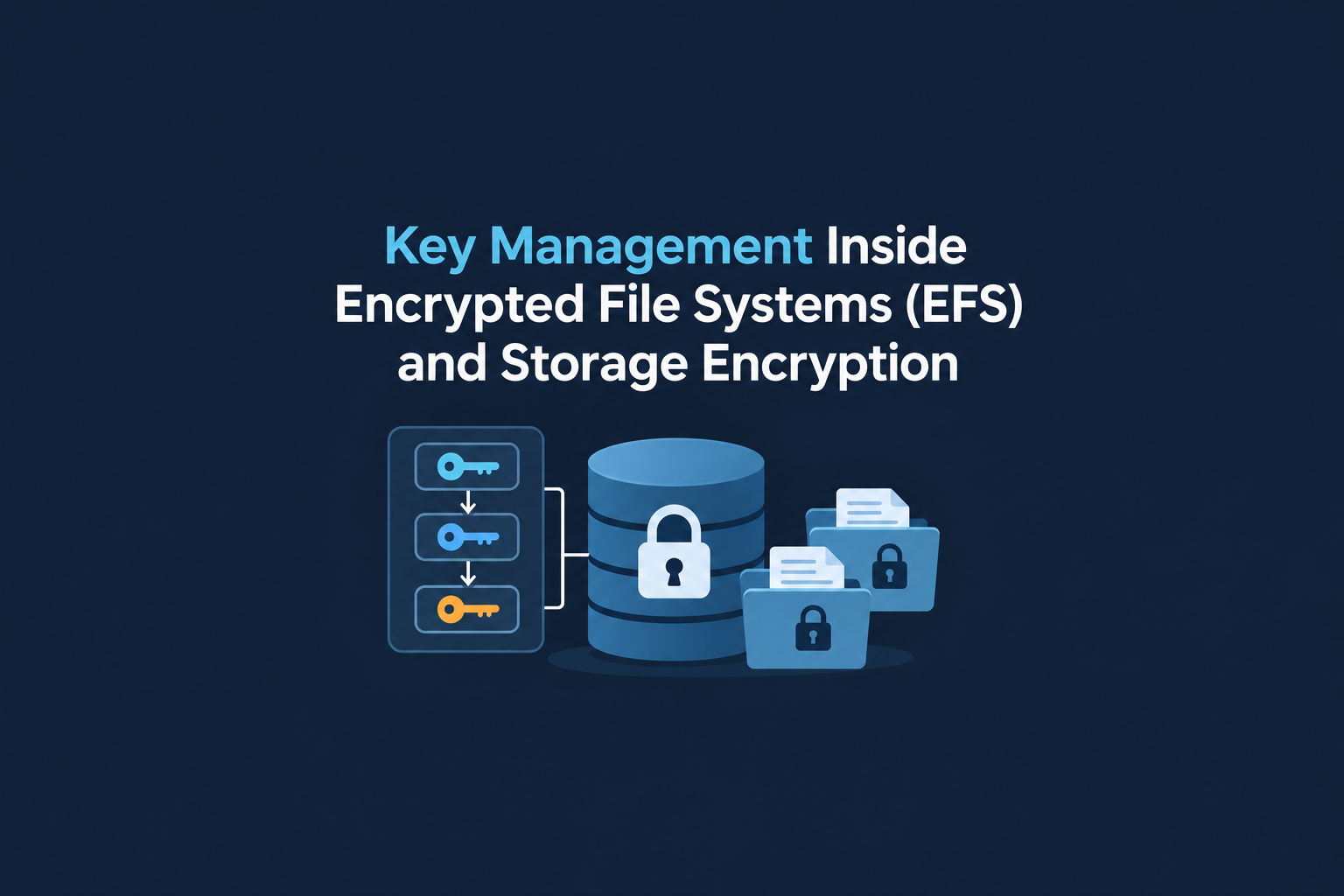
Key Management Inside Encrypted File Systems (EFS) and Storage Encryption
.
Encrypting a file system protects data stored on a disk, but the encryption algorithm is only part of the security. The system also needs a reliable way to generate, store, protect, and recover the encryption keys. This is something developers can easily overlook. We enable disk encryption, confirm that files are encrypted, and assume the…
-

DNSSEC, Kerberos, SSH: What Developers Should Know About Their Keys
.
Cryptographic keys are used in many systems that developers work with every day. DNSSEC uses keys to verify DNS information, Kerberos uses keys to authenticate users and services, and SSH uses keys to establish secure connections and authenticate identities. These technologies solve different problems, but they share one important requirement: their security depends on how…
-
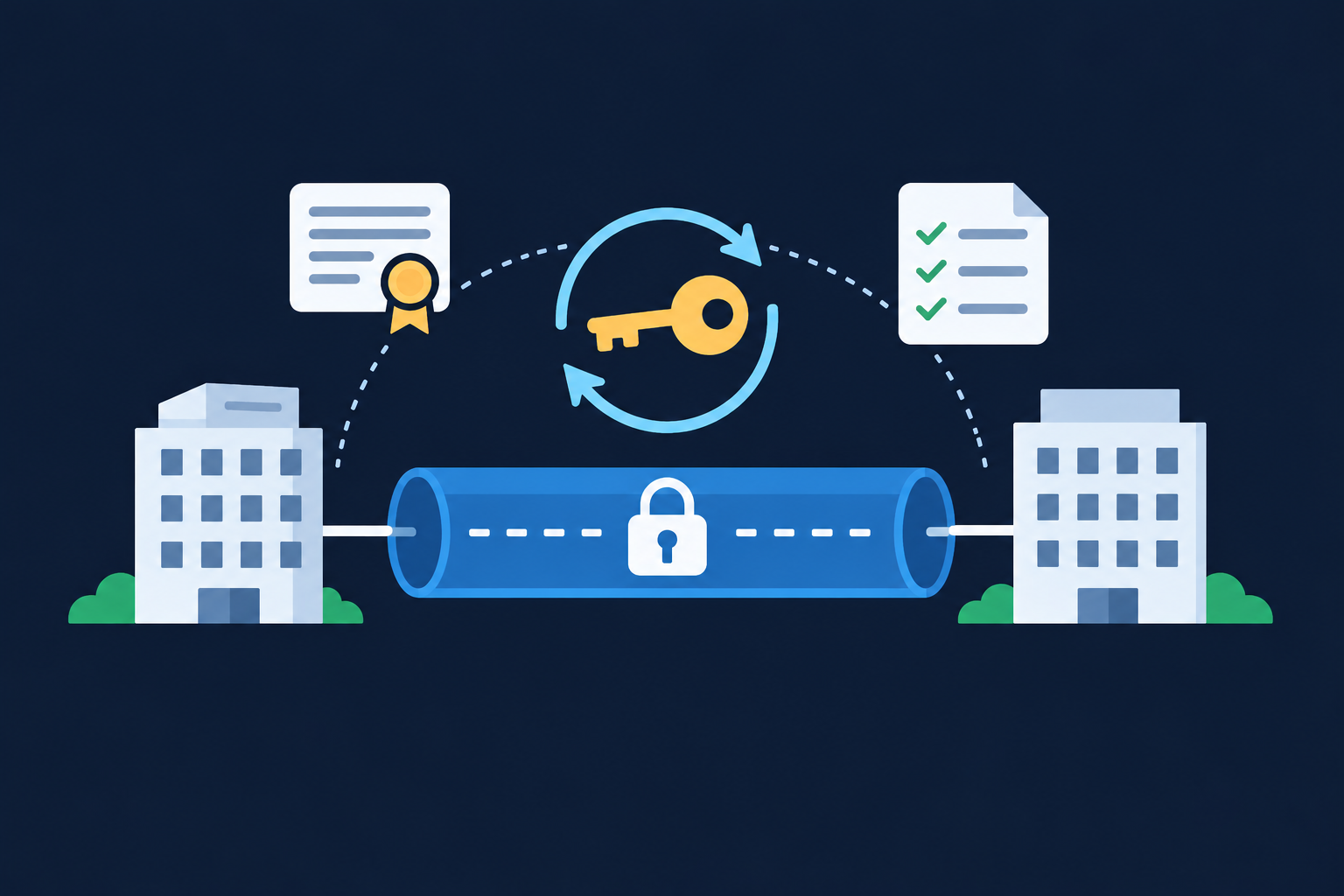
IPsec Key Management: What NIST Recommends for VPNs and Tunnels
.
IPsec is commonly used to secure communication between networks, especially when connecting data centers, cloud environments, or two organizations over the internet. It provides encryption, integrity protection, and authentication so that data can travel across an untrusted network without exposing its contents. But configuring an IPsec tunnel is not only about choosing an encryption algorithm.…
-
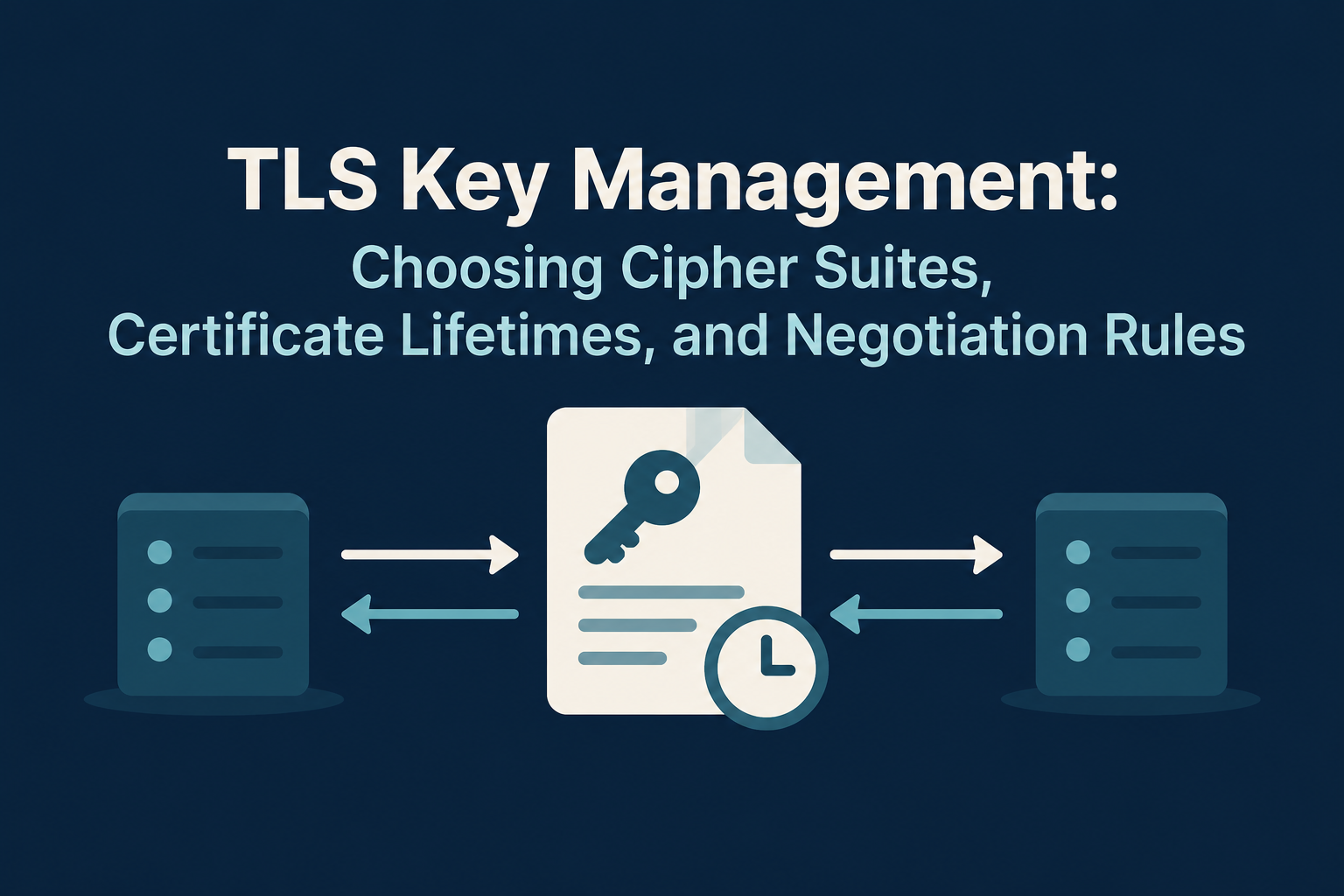
TLS Key Management: Choosing Cipher Suites, Certificate Lifetimes, and Negotiation Rules
.
A TLS endpoint can have a valid certificate and still use a poor security configuration. The certificate identifies the server, but the handshake also decides how the connection establishes secrets and protects application data. Certificate renewal, cipher selection, and negotiation policy solve different parts of the problem. I find it useful to treat these as…
-
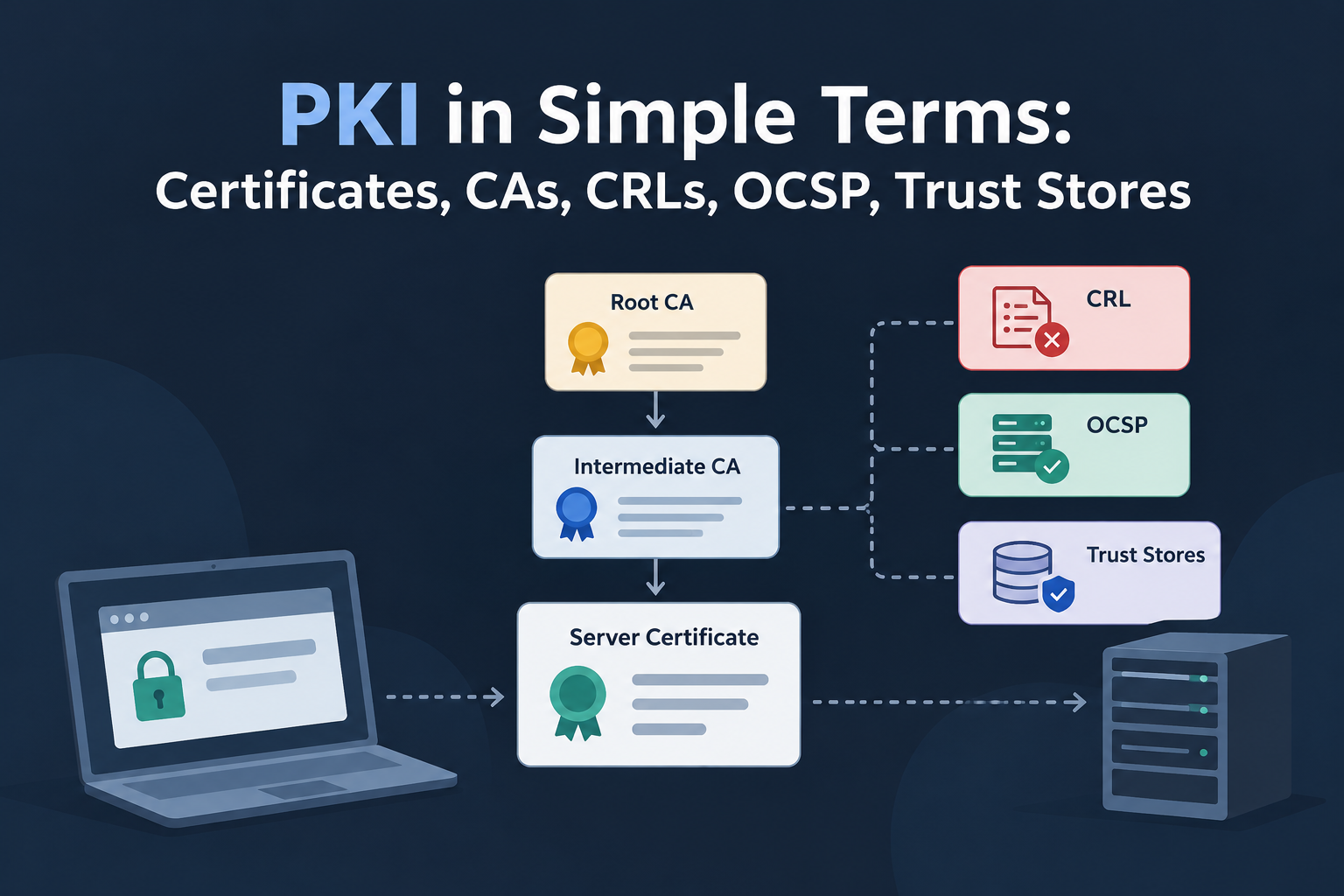
PKI in Simple Terms: Certificates, CAs, CRLs, OCSP, Trust Stores
.
When an application connects to an HTTPS server, it needs to verify that the server is really who it claims to be. Encrypting the connection is not enough. Without identity verification, an attacker could present their own encryption key and intercept the communication. This is one of the problems that Public Key Infrastructure (PKI) solves.…
-

Key Management Planning: What Auditors Really Look For
.
Encryption is usually one of the first things we think about when protecting sensitive data. We encrypt database fields, API credentials, files, backups, and communication between systems. But there is another question that is sometimes discussed much later: How are we protecting the encryption keys themselves? This is where key management becomes important. Having strong…
-
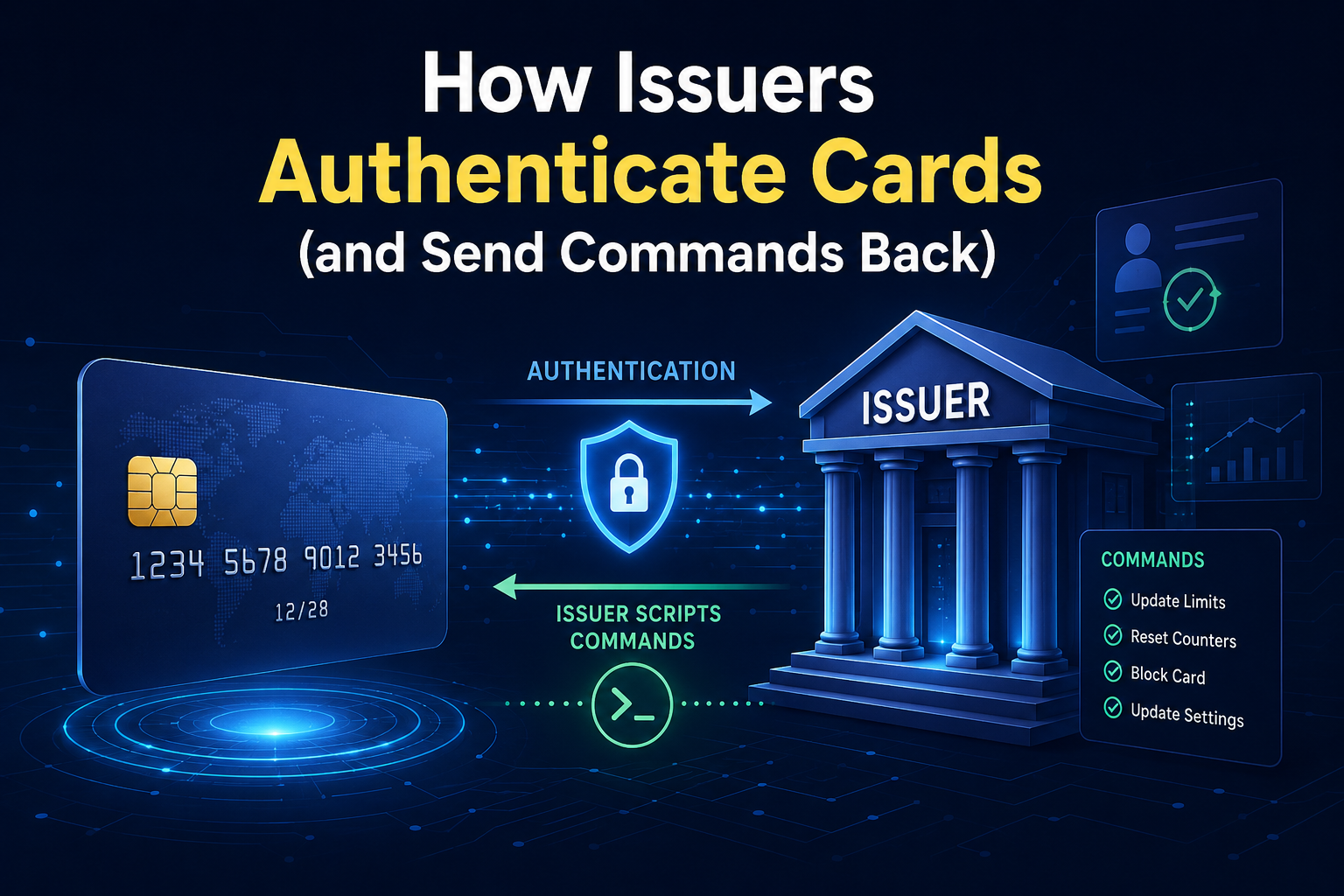
How Issuers Authenticate Cards (and Send Commands Back)
.
If you’ve worked with payment systems long enough, you’ve probably heard people say that an issuer simply “approves” or “declines” a transaction. While that is technically true, there is actually much more happening behind the scenes. An issuer does not only decide whether a transaction should be approved. It can also send instructions back to…
-
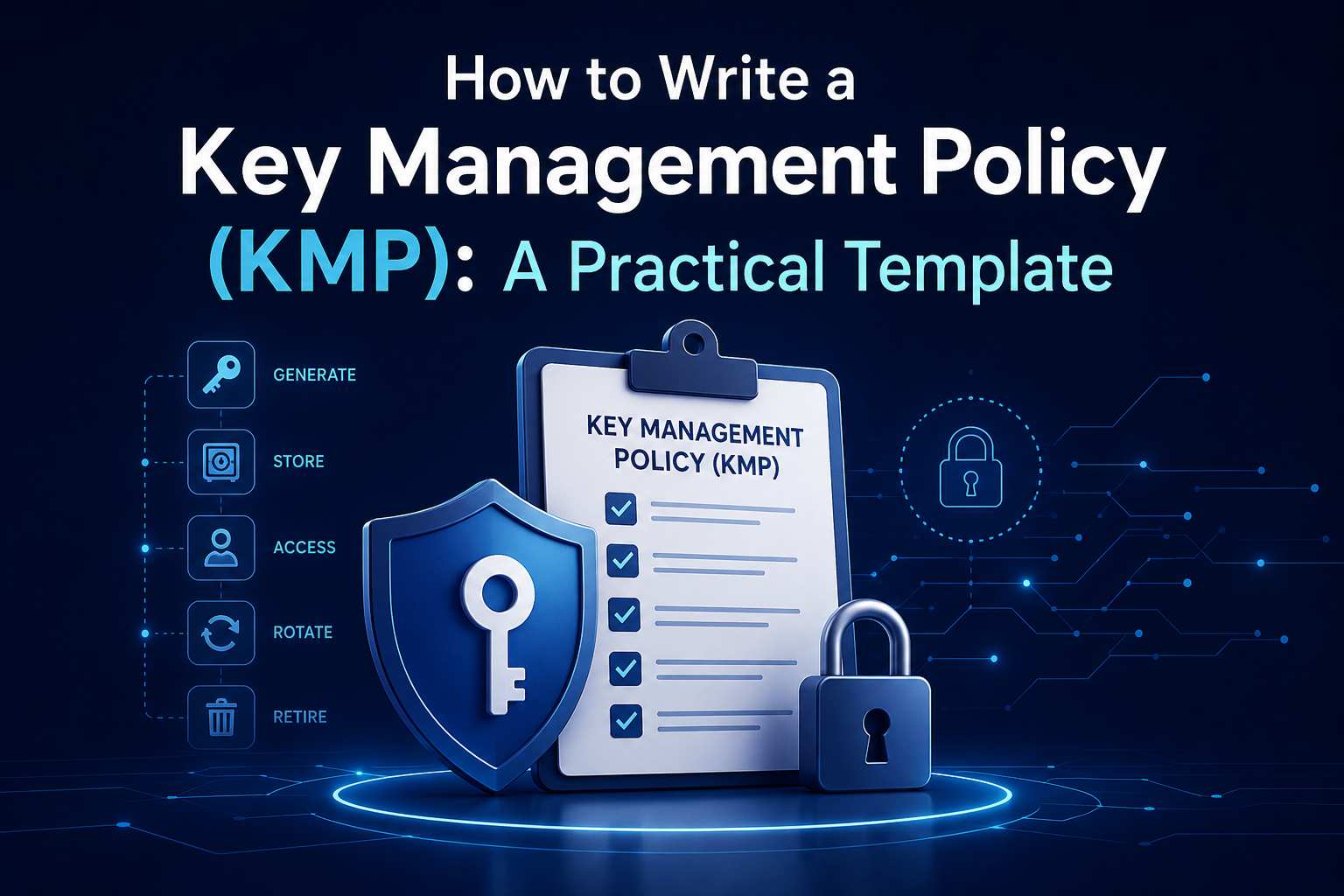
How to Write a Key Management Policy (KMP): A Practical Template
.
Introduction When people talk about security, encryption is usually one of the first things that comes to mind. We encrypt databases, files, backups, APIs, and network connections. But there is one question that is often forgotten. Who manages the encryption keys? Strong encryption becomes much less useful if the keys are stored carelessly, shared between…
-
What a Cryptographic Key Management System Should Look Like
.
Whenever people discuss application security, encryption is usually one of the first topics that comes to mind. Developers often compare algorithms such as AES and RSA, trying to determine which one provides stronger protection. While selecting the right algorithm is important, there is another component that deserves even more attention. That component is cryptographic key…
-
Designing a Key Management Program
.
In many software projects, security is often discussed in terms of encryption algorithms, secure APIs, or compliance frameworks. However, one topic that is often underestimated is key management. Encryption itself is usually not the problem. The real challenge is how we manage the keys used for encryption. A strong algorithm like AES or RSA can…