Latest Posts
-
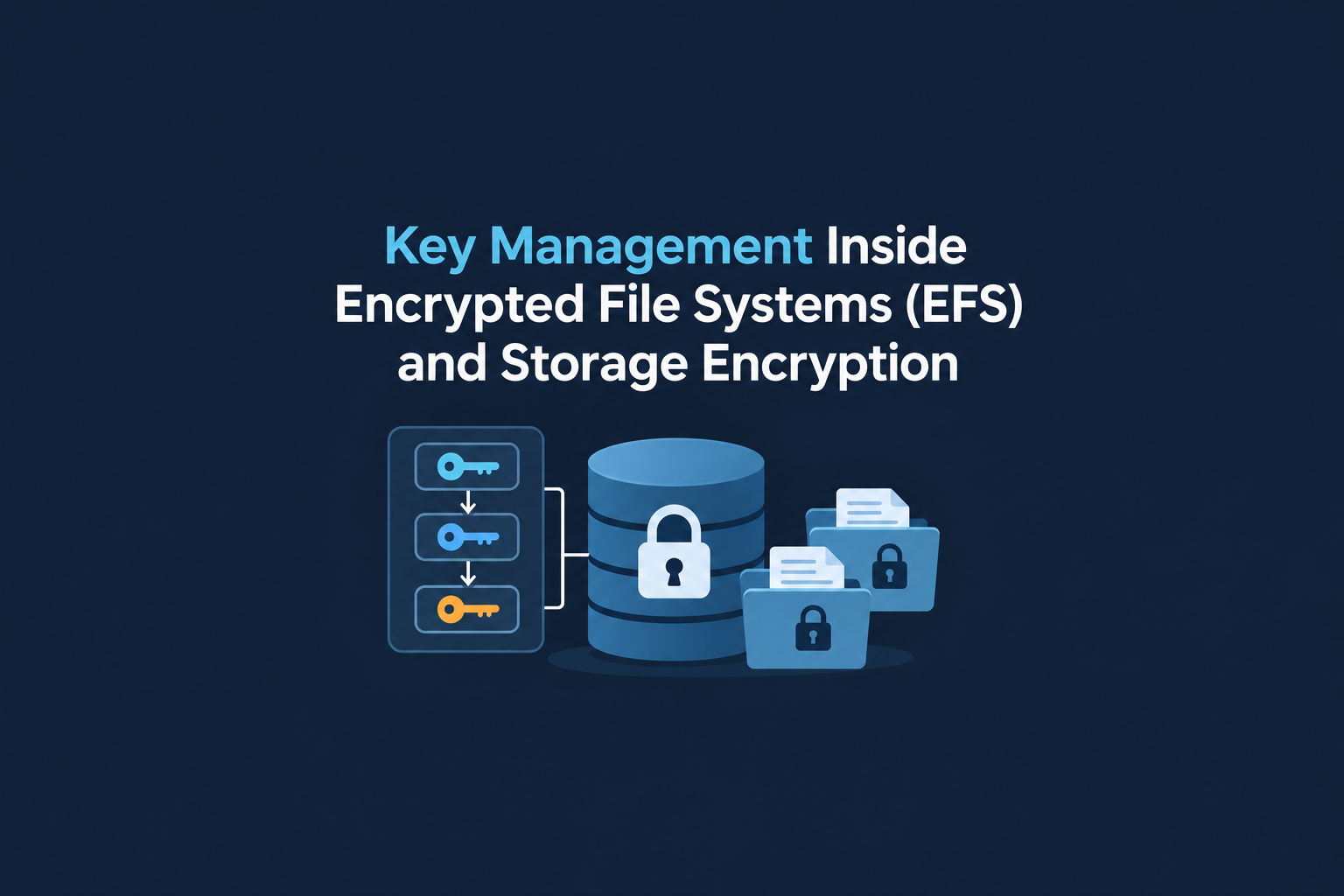
Key Management Inside Encrypted File Systems (EFS) and Storage Encryption
.
Encrypting a file system protects data stored on a disk, but the encryption algorithm is only part of the security. The system also needs a reliable way to generate, store, protect, and recover the encryption keys. This is something developers can easily overlook. We enable disk encryption, confirm that files are encrypted, and assume the…
-
DNSSEC, Kerberos, SSH: What Developers Should Know About Their Keys
.
Cryptographic keys are used in many systems that developers work with every day. DNSSEC uses keys to verify DNS information, Kerberos uses keys to authenticate users and services, and SSH uses keys to establish secure connections and authenticate identities. These technologies solve different problems, but they share one important requirement: their security depends on how…
-
IPsec Key Management: What NIST Recommends for VPNs and Tunnels
.
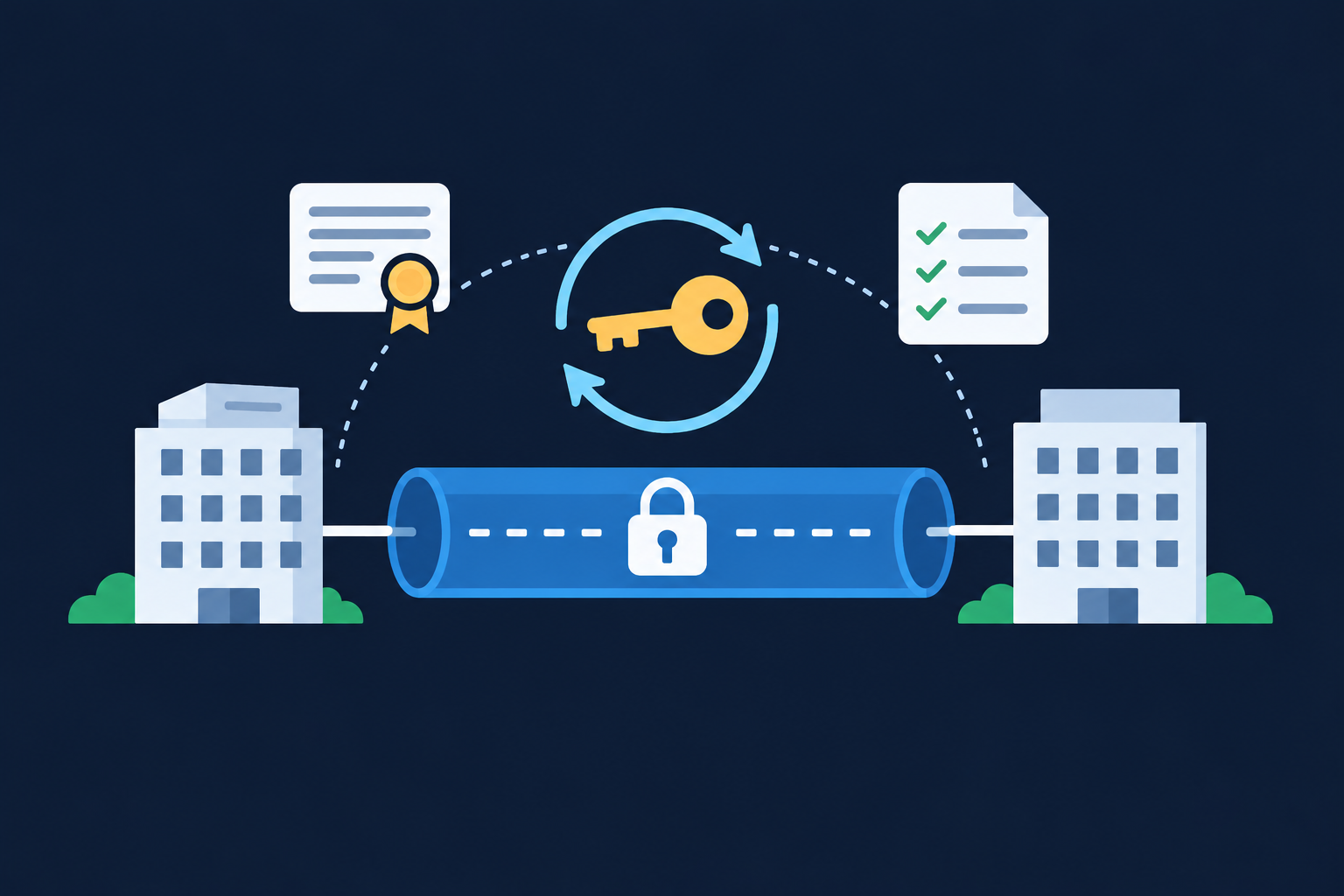
IPsec is commonly used to secure communication between networks, especially when connecting data centers, cloud environments, or two organizations over the internet. It provides encryption, integrity protection, and authentication so that data can travel across an untrusted network without exposing its contents. But configuring an IPsec tunnel is not only about choosing an encryption algorithm.…
-
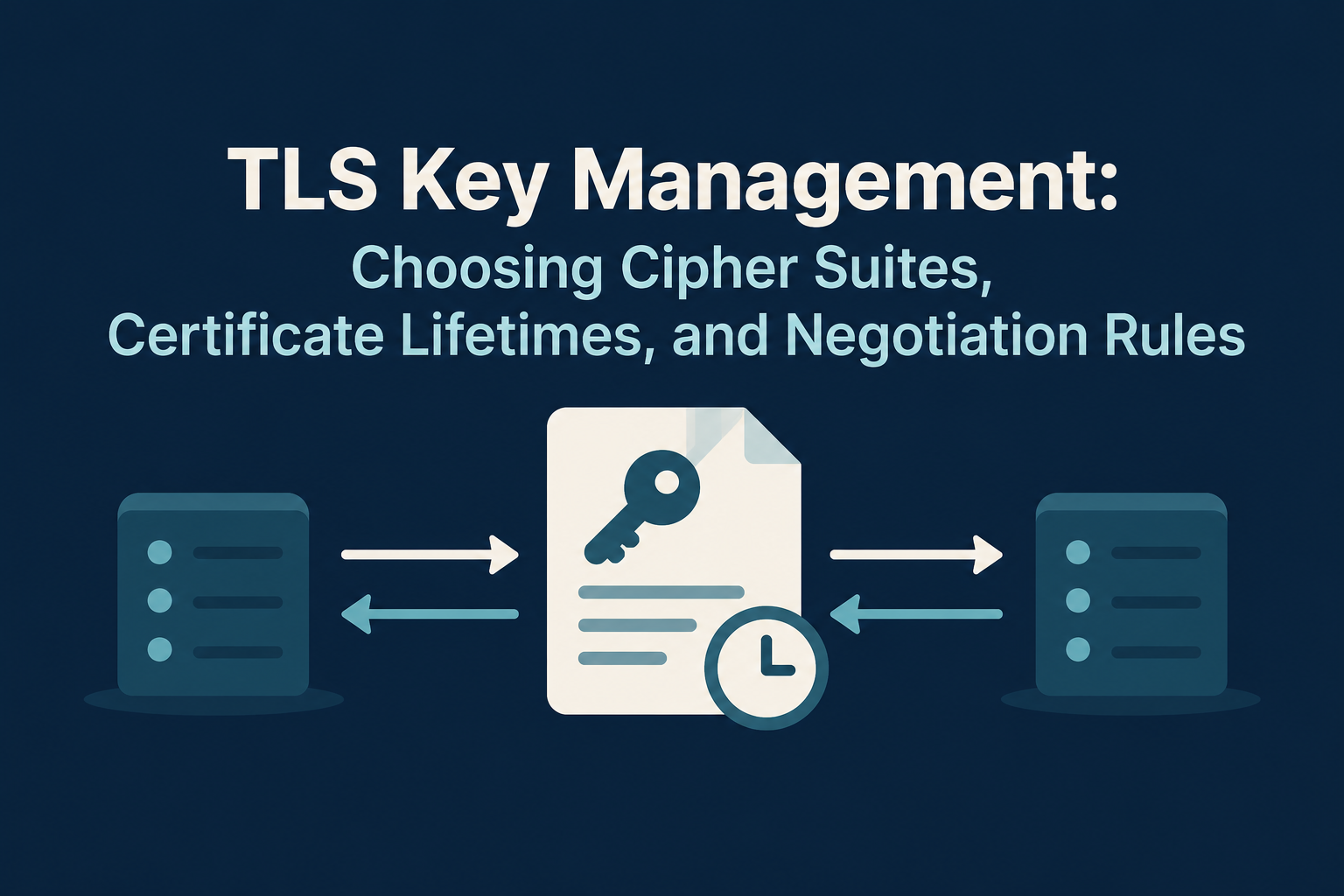
TLS Key Management: Choosing Cipher Suites, Certificate Lifetimes, and Negotiation Rules
.
A TLS endpoint can have a valid certificate and still use a poor security configuration. The certificate identifies the server, but the handshake also decides how the connection establishes secrets and protects application data. Certificate renewal, cipher selection, and negotiation policy solve different parts of the problem. I find it useful to treat these as…
-
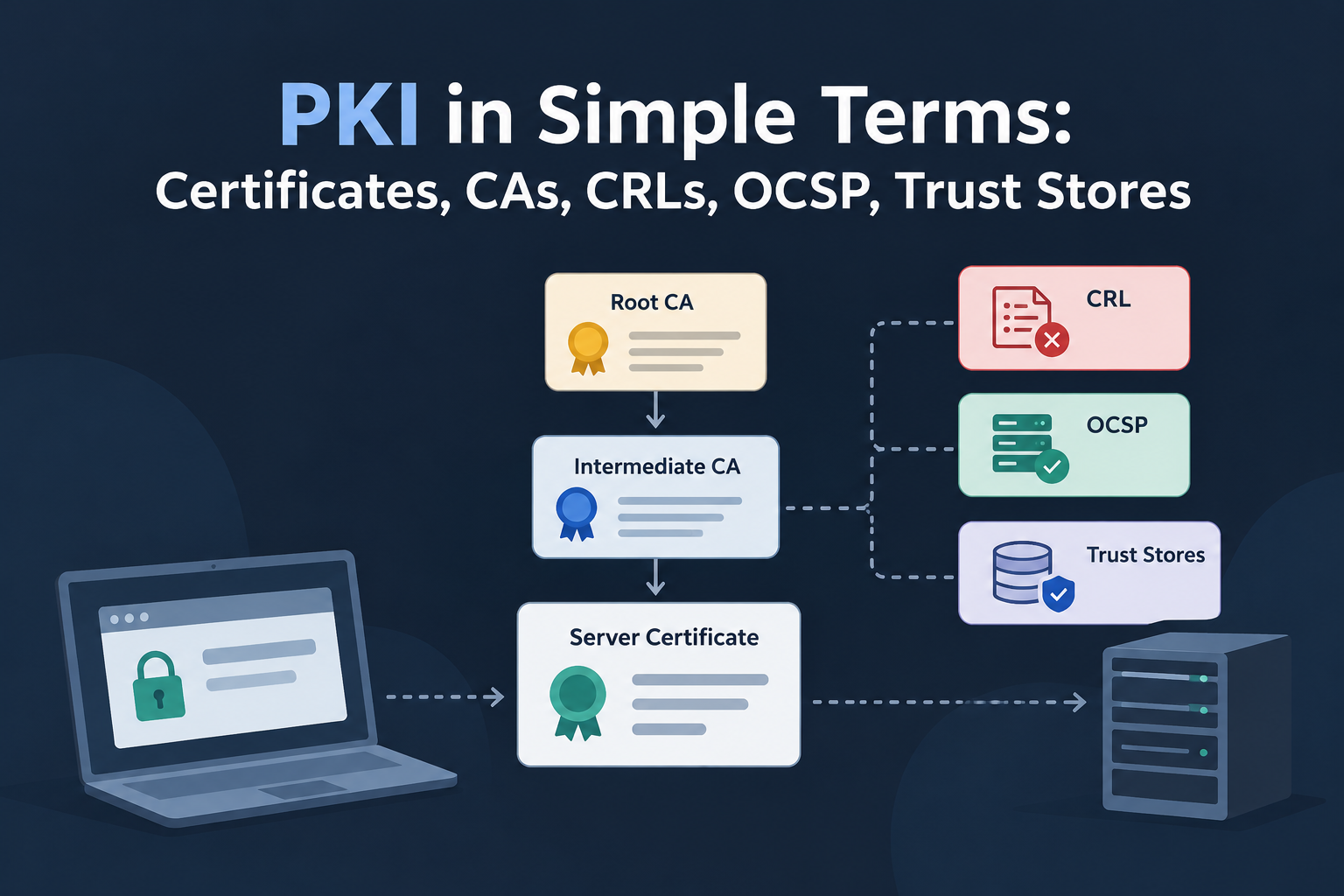
PKI in Simple Terms: Certificates, CAs, CRLs, OCSP, Trust Stores
.
When an application connects to an HTTPS server, it needs to verify that the server is really who it claims to be. Encrypting the connection is not enough. Without identity verification, an attacker could present their own encryption key and intercept the communication. This is one of the problems that Public Key Infrastructure (PKI) solves.…
About Me

Hi I’m Assi—I’m dedicated to advancing cashless payment technology and sharing insights with fellow developers and solution architects on my blog, Cashless Nomad.
I embrace a mobile lifestyle by replacing cash with digital payments, enabling seamless transactions anywhere. Going cashless keeps me connected, agile, and financially flexible—perfect for traveling light and skipping currency hassles.
Checkout my other blogs at marai.dev